Discover
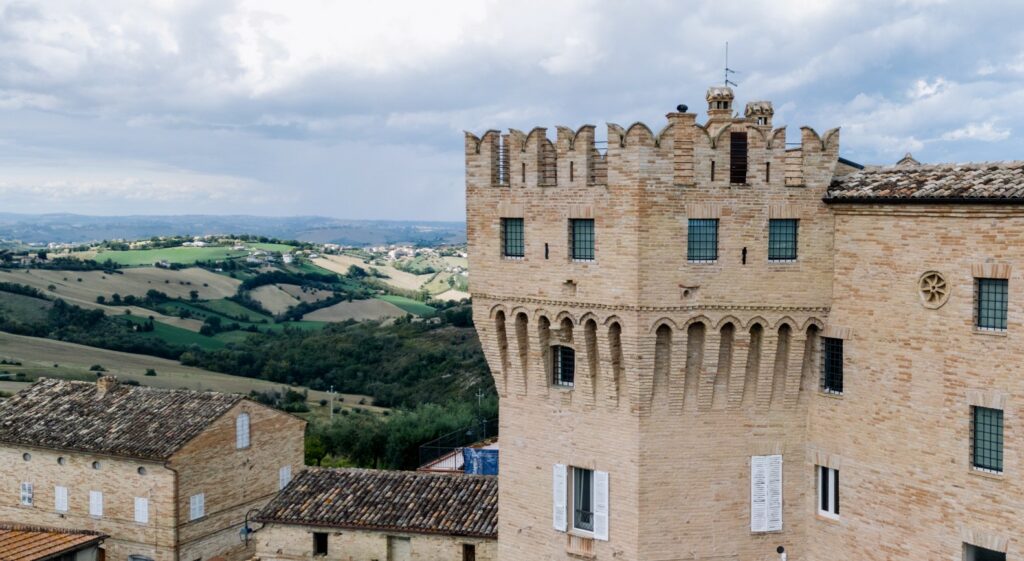
The origins of Rapagnano reach back to antiquity: mentioned by Pliny the Elder, the area was already inhabited in Picene and pre-Roman times, as evidenced by artifacts unearthed in 1880 in the San Tiburzio area — including helmets, shields, and the famous Disco Corazza (breastplate disc), now preserved at the Archaeological Museum of Ancona.
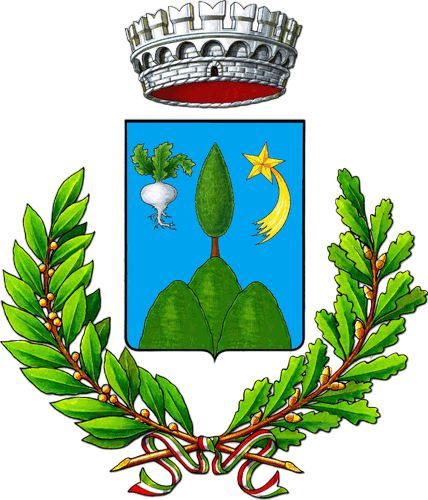
There are several theories regarding the etymology of the name. The most widely accepted one traces it back to the god Janus, a solar deity to whom a temple is believed to have been dedicated on the hilltop where the town now stands — an area where Roman and pre-Roman remains have been found. Another theory, linked to the area’s agricultural tradition, connects it to the cultivation of turnips, a symbol also featured on the municipal coat of arms alongside a cypress tree and a comet star.
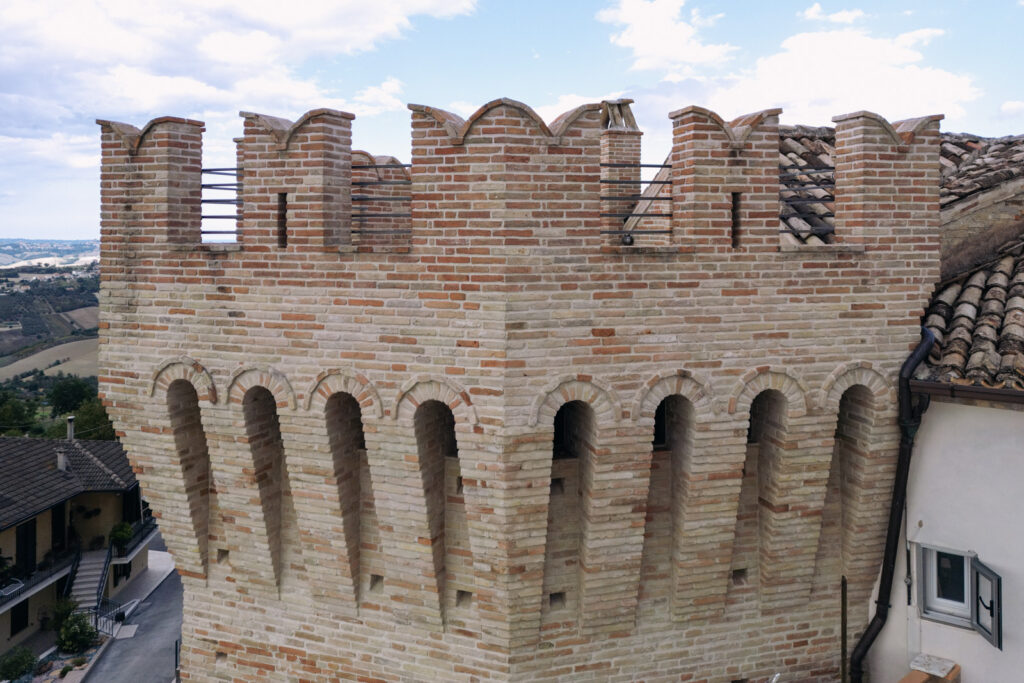
During the Middle Ages, Rapagnano became a fortified castle under the jurisdiction of Fermo. Documents from 1059 record it among the possessions of the Bishop of Fermo, and for centuries the village maintained strong ties with the city, despite occasional conflicts with Montegiorgio and brief occupations, such as that by Carlo Malatesta in the 15th century.
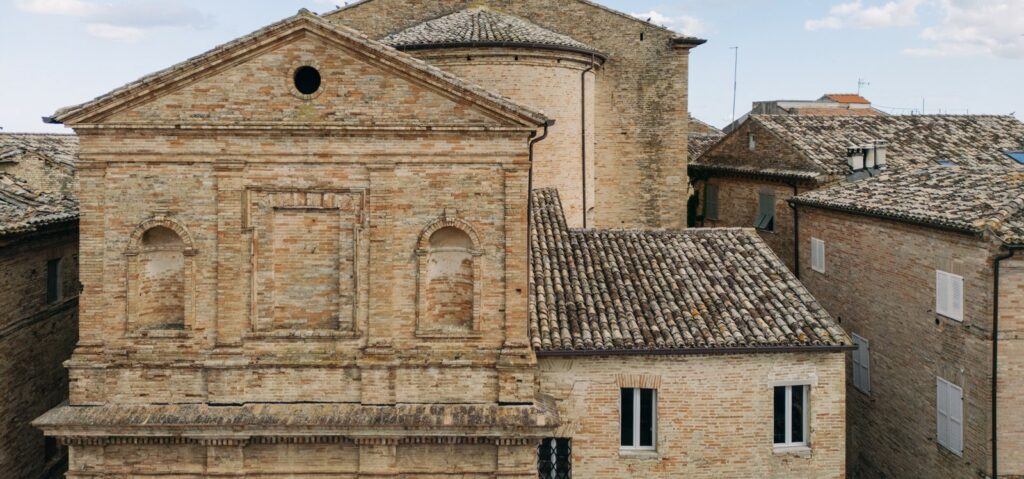
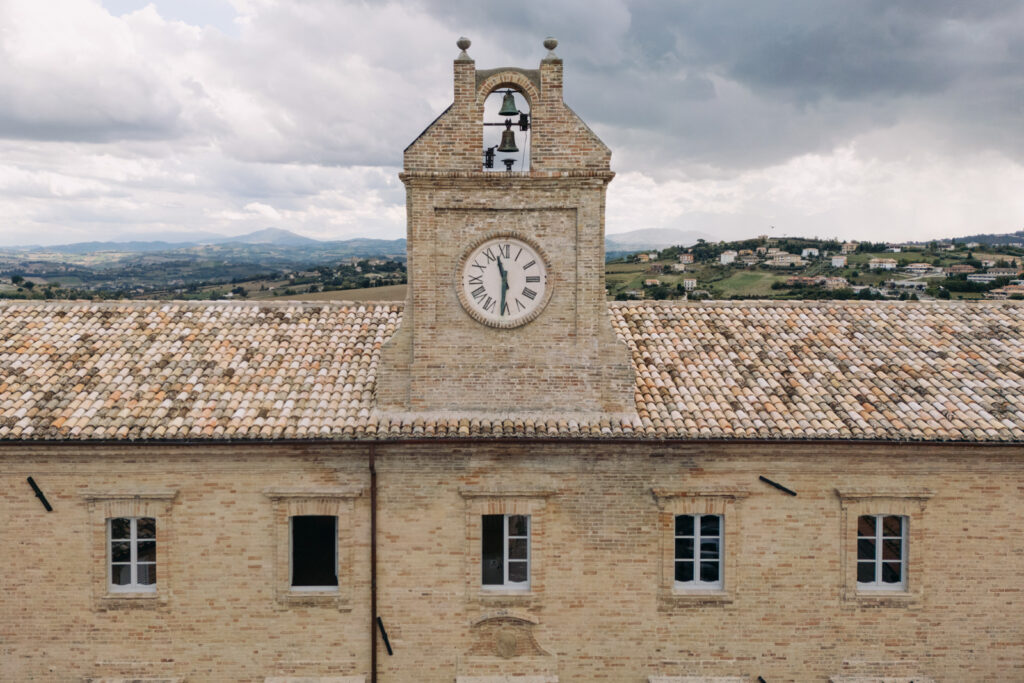
Rapagnano is also the birthplace of Pope John XVII, who was elected pontiff in 1003. In the following centuries, the town underwent major transformations: an earthquake between the 17th and 18th centuries led to the reconstruction of churches and palaces, including the Town Hall and the main square, which still define the appearance of the village today.