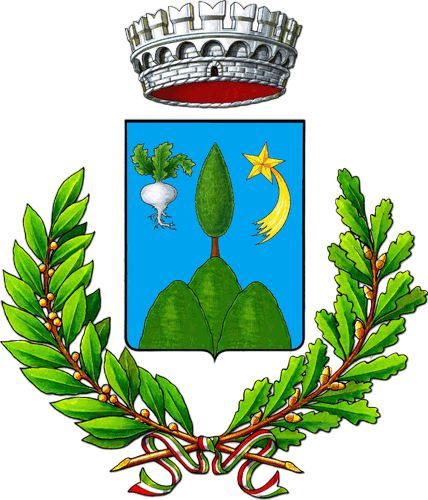
#rapagnano
Amid Ancient Walls and Horizons of Light
A hilltop village rising on a dominant ridge overlooking sweeping views of the cultivated valleys and the profiles of the Sibillini Mountains, Rapagnano is a place where tradition, landscape, and community life come together.
Of ancient origin, Rapagnano probably owes its name to the god Janus, to whom a temple is believed to have been dedicated on the summit of the hill where the village now stands—an area where Roman and pre-Roman artifacts have been found. During the Middle Ages, it became a fortified castle under the jurisdiction of Fermo, preserving its original layout over time.
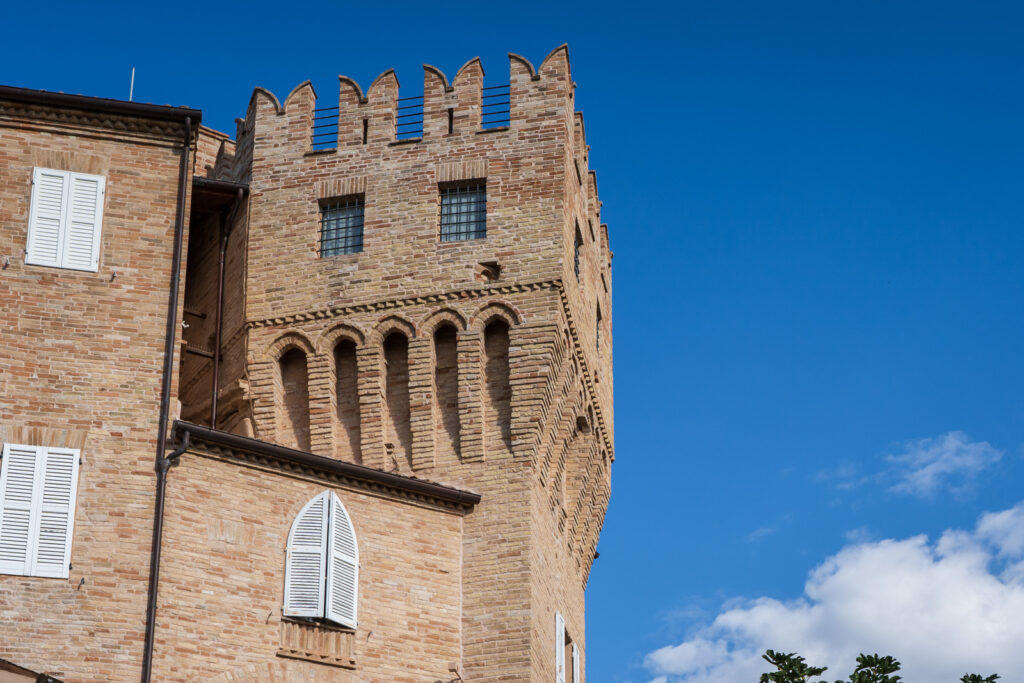
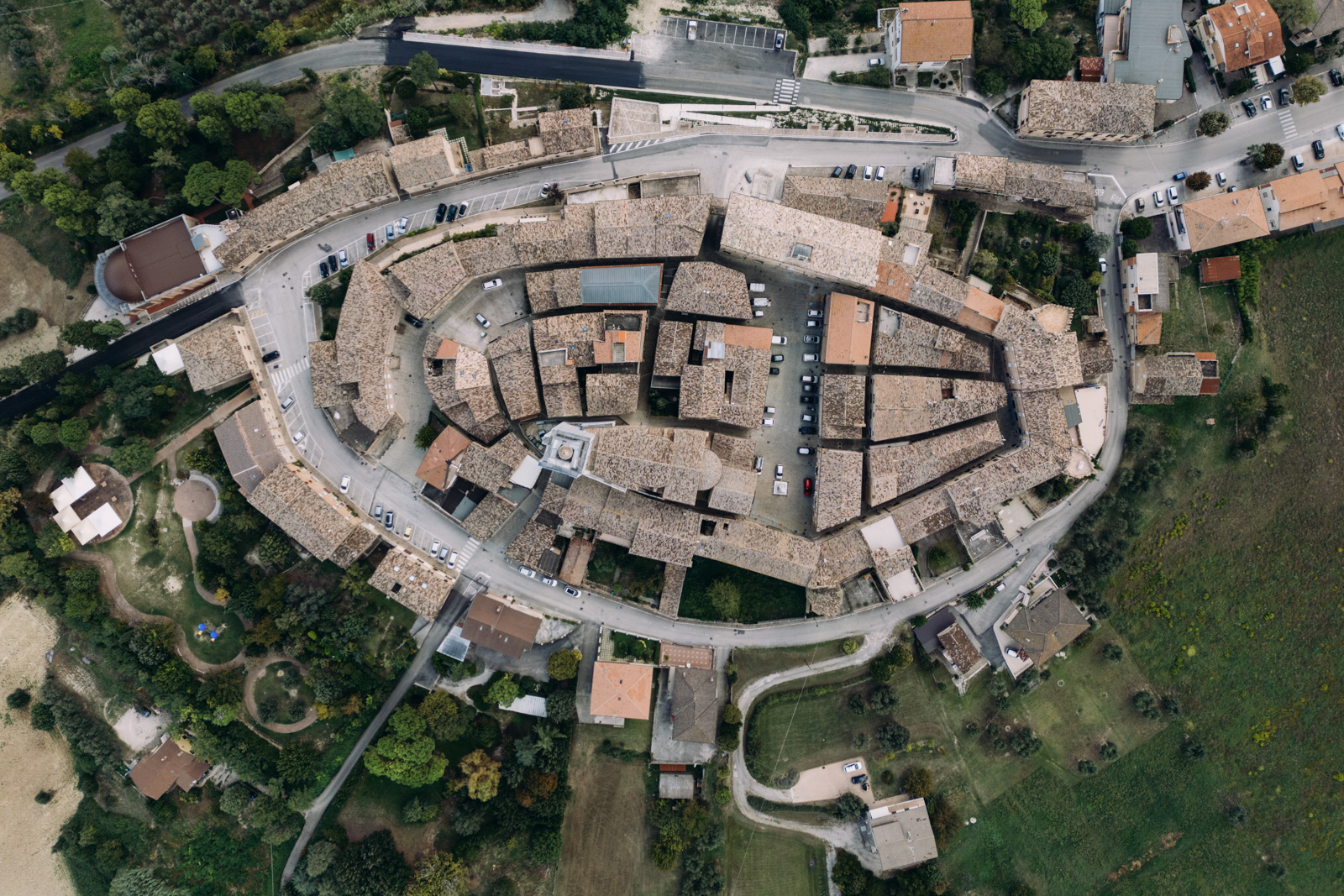
The historic center, compact and harmonious, still preserves its medieval structure with towers, walls, and historic gates such as Porta da Bora and Porta da Sole, which lead to Piazza Sicconi, the heart of the village. This elegant square is lined with the Town Hall, the Church of Sant’Antonio with its evocative permanent Nativity scene, the Church of the Suffragio, and several noble palaces that tell the story of the village’s ancient families.
The towers and gates mark the old boundaries of the settlement, while Palazzo Sicconi, one of the most representative buildings in the village, preserves the memory of the house of Giovanni XVII, the pope born in Rapagnano and elected in 1003. Between the seventeenth and eighteenth centuries, a powerful earthquake partially altered the town’s appearance, making major reconstruction work necessary.
The Parish Church houses important works of art, and the Parish Museum holds paintings and sculptures by artists such as Claudio Ridolfi and Filippo Ricci, a testament to the town’s deep religious and cultural life.
Rapagnano is a simple and authentic place, where the rhythm of life still follows the rhythm of the seasons, and every corner tells the story of the profound bond between history, faith, and the everyday life of the Marche region.